Diabetes Diet: Diabetes Meal Plan And Sample Menu

What is Diabetes?
Diabetes, which is more commonly known as "blood sugar" is a situation wherein there is an excessive level of glucose in the bloodstream either because insulin production is inadequate, or because the body's cells do not respond properly to insulin, or both. Doctors commonly refer to diabetes as diabetes mellitus. Common symptoms are increased thirst, hunger and frequent urination.
According to the American Diabetes Association, 25.8 million children and adults in the United States, about 8.3% of the population have diabetes (2011 National Diabetes Fact Sheet).
--------------------------------------------------------------------------------------------------------
Measure your blood glucose level at home - how to use a glucometer?
Why and how does this happen?
In order to understand that, we need to learn a little bit about metabolism. Metabolism is defined as the way our bodies use digested food for energy and growth. All the food that we consume gets broken down into glucose eventually, which is a form of sugar in our blood. Glucose is also one of the principal sources of fuel for our bodies.
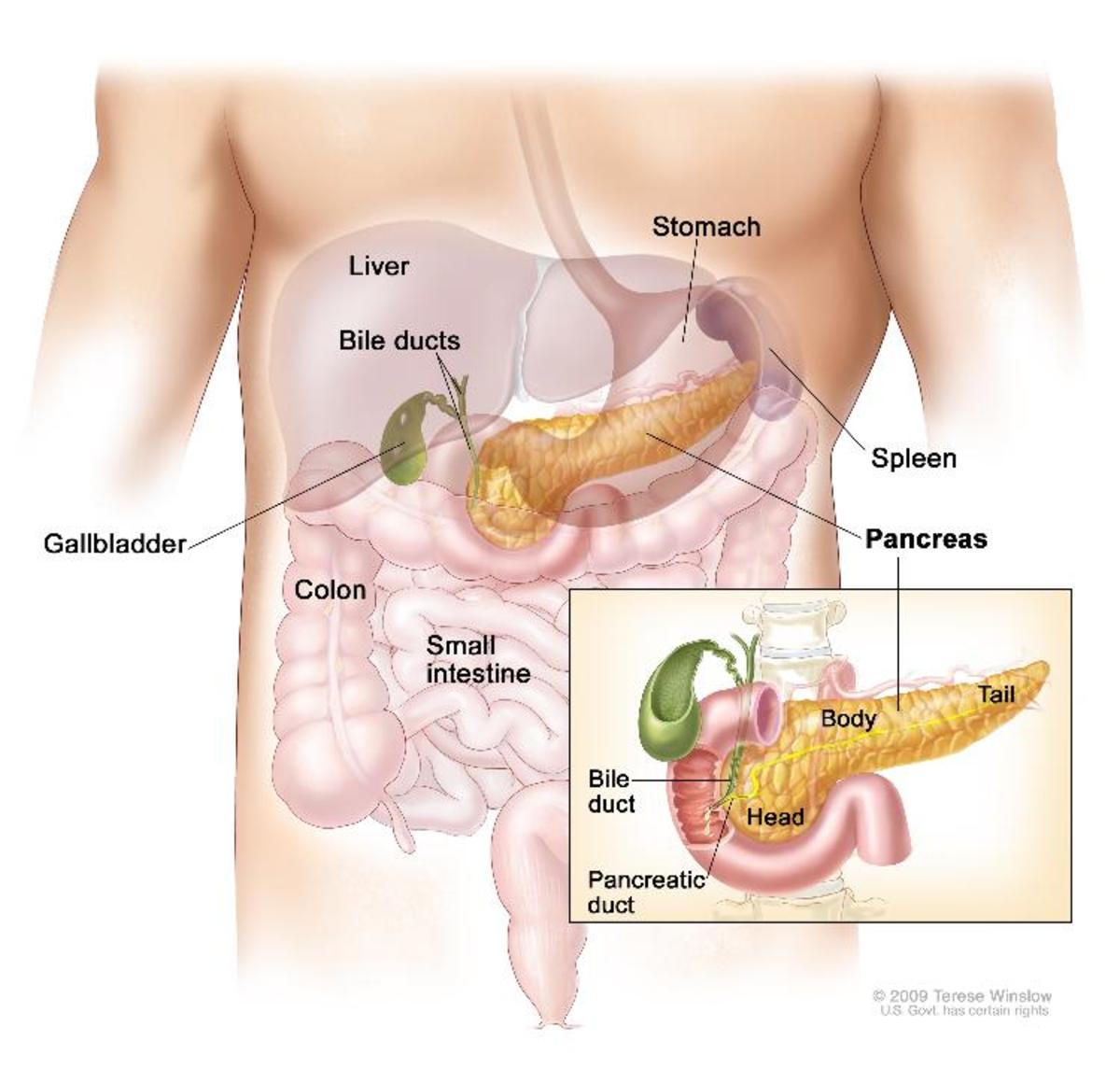
When the food that we eat gets digested, the glucose enters our bloodstream. From the bloodstream it enters the cells with the help of insulin. Insulin is a hormone produced by the pancreas which aids in lowering the level of sugar in the blood by releasing the glucose to the cells. Hence insulin plays a very important role in our digestive system.
Now, due to some reason if the pancreas do not produce any insulin at all or an insufficient amount of insulin or the cells do not respond properly to the produced insulin, the level of glucose in the blood would start to build up resulting in a diabetic condition.
--------------------------------------------------------------------------------------------------------
Types of Diabetes
There are three main types of diabetes:
Type 1 - No insulin is produced at all. Type 1 is usually diagnosed in children and young adults and was previously known as juvenile diabetes.
Type 2 - Enough insulin is not produced or it is not working properly. Type 2 is the most common form of diabetes. Millions of Americans suffer from this form of diabetes.
Gestational Diabetes - Diabetes develops only during pregnancy. A diagnosis of gestational diabetes doesn't mean that you had diabetes before you conceived, or that you will have diabetes after giving birth. However, it is important to follow your doctor's advice regarding blood sugar levels if you are planning to have a baby.
--------------------------------------------------------------------------------------------------------
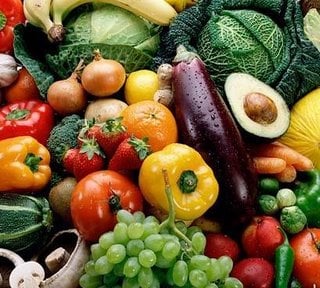

Understanding the basics of a Diabetic diet
Food is classified into the following 4 categories.
- Carbohydrates which includes fibers
- Proteins
- Fats
- Vitamins and Minerals
The time taken for each type of food to get broken down into glucose and hit the bloodstream is different. If the food has high sugar content like sweets or fruits it happens almost immediately. Next are carbohydrates, which take about 1 - 2 hours. Proteins take about 4 hours and fats about 6 - 8 hours to disintegrate. Again the disintegration time also depends on the complexity of the food molecule.
The basic diabetes meal plan should include a balanced diet comprising of adequate and appropriate quantities of each food type so that the glucose hits the bloodstream at a regular pace. Hence, it is recommended to eat at least five to six small meals in a day along with some light exercise such as walking to help the digestive system function properly and remain healthy.
Another important factor is to control obesity. Obesity increases the risk of diabetes and heart diseases. Most patients with Type 2 diabetes are asked to lose weight to control the level of blood glucose in their body. So it is crucial to keep your body fat percentage in check through diet and exercise.
--------------------------------------------------------------------------------------------------------
Foods to include in your diet
Below is a list of foods to include in your diet.
--------------------------------------------------------------------------------------------------------
Sample menu
A sample menu given by Mayo Clinic:
Breakfast - Whole-wheat pancakes or waffles, one piece of fruit, 1 cup of low-fat milk.
Lunch - Chicken kabob, 1/2 cup of steamed broccoli, 1/2 cup of cooked rice, 1/2 cup of juice.
Dinner - Pasta primavera prepared with broccoli, carrots, zucchini, yellow squash and Parmesan cheese, 1 cup of low-fat milk.
Snacks - Six homemade crispy corn tortilla chips, 1/2 cup fresh vegetables with a seasoned garlic sauce.
1. Healthy carbohydrates
Carbohydrates include sugars and starches and constitute the major source of energy for our body. But they can also be a menace if they are not burned up quickly. Hence it is important to know which carbs to consume in order to maintain a steady level of glucose in the blood.
Healthy carbs to be included in your diet are:
- Fruits
- Leafy vegetables
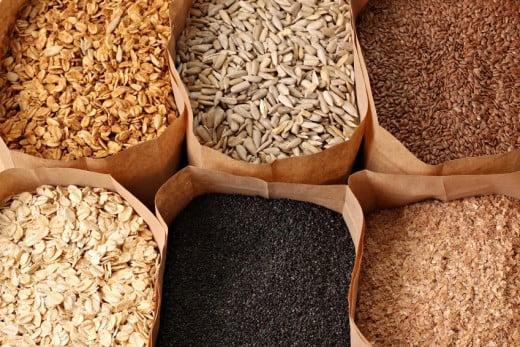
- Whole grains
- Legumes (pulses, beans, peas)
- Low fat dairy products such as yogurt
--------------------------------------------------------------------------------------------------------
--------------------------------------------------------------------------------------------------------
2. Foods with high fiber content
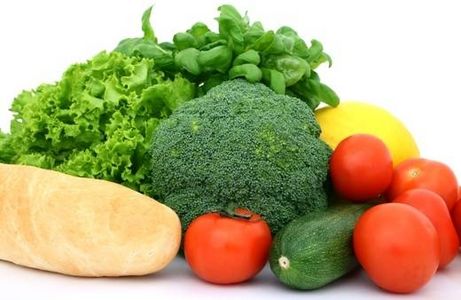
Fibers are the non - digestible carbohydrates in vegetables and fruits. Fiber rich foods are:
- Vegetables
- Fruits
- Nuts
- Legumes
- Whole wheat flour
- Brown rice
- Cereals such as whole wheat pasta
--------------------------------------------------------------------------------------------------------

3. Fish
Fishes which have lower fat content are a healthier option than meats with higher fat content. Fish can be added to your diet plan at least twice a week. However care must be taken to avoid fried fish or fishes with a high level of mercury.
Examples are tuna, cod, salmon, mackerel and herring.
--------------------------------------------------------------------------------------------------------
4. Fats
Fats must be consumed with care as they can increase the cholesterol level. Monosaturated and polysaturated fats such as walnuts, almonds, olives, avocados and peanut oil can be consumed.
--------------------------------------------------------------------------------------------------------
5. Water and Exercise
Drink lots of water as it will flush your system and aid in digestion.
It is also important to eat all your meals on time and not to skip any so that your blood glucose level does not fluctuate drastically.
--------------------------------------------------------------------------------------------------------

--------------------------------------------------------------------------------------------------------
Foods to avoid in your diet
Below are the foods you should strictly avoid.
--------------------------------------------------------------------------------------------------------
1. Saturated fats
Dairy products and animal proteins with high fat content must be avoided. Examples are beef, bacon, dairy products such as cream, cheese, butter and ghee, coconut oil and chocolate.
--------------------------------------------------------------------------------------------------------
2. Trans fats
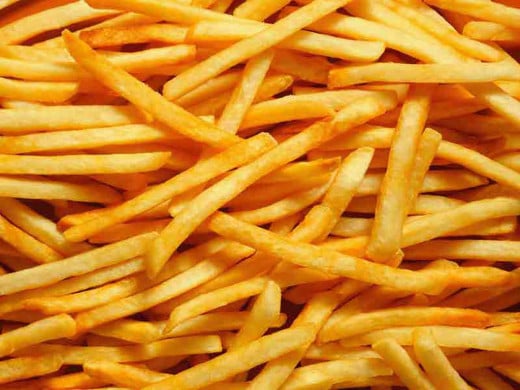
Trans fats are unsaturated fats and they must be avoided completely. Examples are processed foods, baked goods, fried foods and margarine.
--------------------------------------------------------------------------------------------------------
--------------------------------------------------------------------------------------------------------
3. Cholesterol
Again dairy products and animal proteins with high fat content will contain more cholesterol and must be avoided. Some examples are egg yolks, organ meats such as liver, shellfish such as shrimp and lobster, milk cheese and ice cream.
--------------------------------------------------------------------------------------------------------
4. Sodium
It is recommended to consume less than 2000 mg of sodium in a day. Foods rich in sodium are cured meats such as bacon, salted nuts, canned beans and potato chips. Foods low in sodium are fresh fruits and vegetables and unsalted meats.
--------------------------------------------------------------------------------------------------------
5. Sodas
Artificially flavored soft drinks and fruit punches which have a very high sugar content must be avoided completely.
--------------------------------------------------------------------------------------------------------
Sugar substitutes
--------------------------------------------------------------------------------------------------------
Exercise
Along with a healthy diet exercise is equally important in maintaining the optimal blood glucose level. The more you exercise the more energy you will burn which means that your cells will use more glucose from your bloodstream to replenish their fuel.
You don't have to resort to rigorous exercise but you can stick to the ones of moderate intensity. Some examples are:
- Brisk walking
- Swimming
- Cycling
- Or if you are not sure what to do, join a gym and do some basic exercises like walking on a treadmill or cycling for 30 mins at least 5 days a week.
--------------------------------------------------------------------------------------------------------
Exercise for Type 2 diabetes
--------------------------------------------------------------------------------------------------------